
Alligator spotted in Columbia Canal near Lexington County line. What to know to stay safe
Crikey! An alligator was recently spotted near the West Columbia Riverwalk. Here's how to stay safe in your area.
Kelly Mason, the Chronicle’s marketing and sales manager, and Mary Patchett, a local, saw the alligator at …
This item is available in full to subscribers.
Subscribe to continue reading. Already a subscriber? Sign in
Local news from Lexington's only local news source. Subscribe today.
Please log in to continue |
Alligator spotted in Columbia Canal near Lexington County line. What to know to stay safe


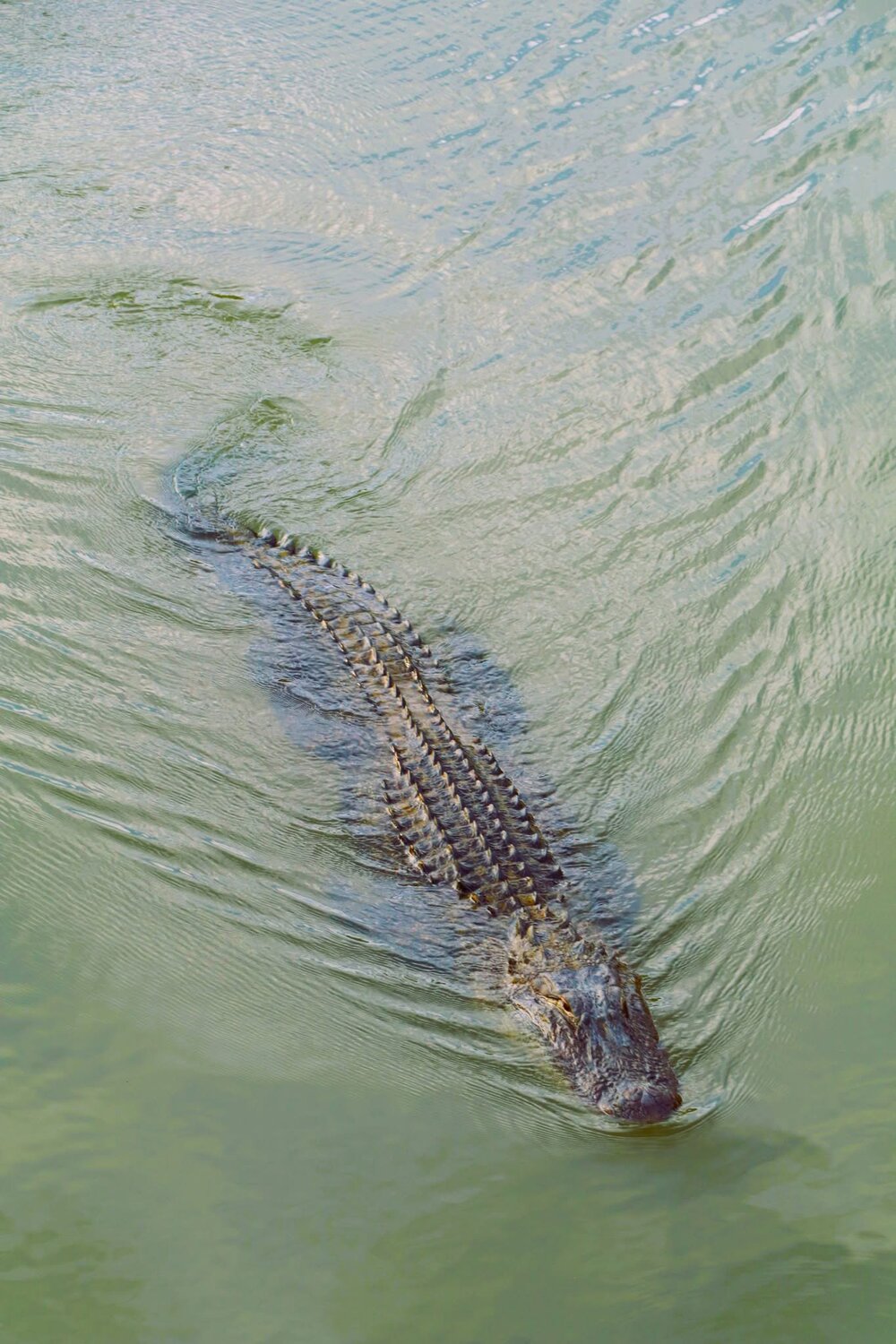
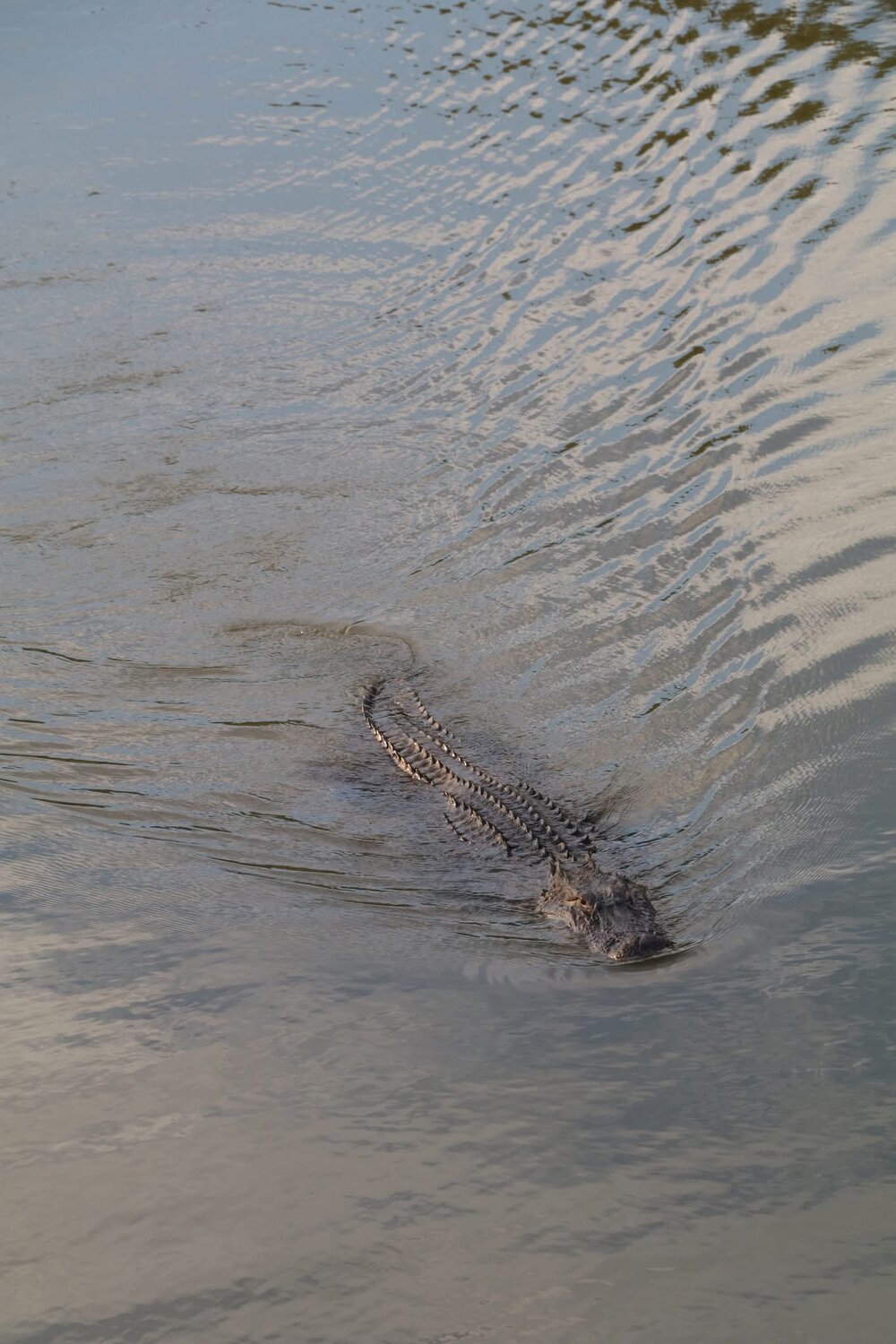


Crikey! An alligator was recently spotted near the West Columbia Riverwalk. Here's how to stay safe in your area.
Kelly Mason, the Chronicle’s marketing and sales manager, and Mary Patchett, a local, saw the alligator at Columbia Canal and Riverfront Park, located at 312 Laurel St., on Aug. 31, around 6 p.m.
According to the South Carolina Department of Natural Resources (SCDNR), alligators can be found in any body of water in the state’s coastal plain. This includes marshes, swamps, rivers, farm ponds, lakes, ditches, neighborhoods, drainage canals, roadways and golf course ponds.
“In South Carolina, they are typically found south of the fall line (which roughly traverses the state from I-20 in Aiken to Kershaw County, then up Highway US 1 towards Cheraw in Chesterfield County),” a document from SCDNR reads.
Alligators typically live throughout the Southeastern United States, including in Florida, Louisiana, along the coast from North Carolina to Texas, up the Mississippi River Valley into Arkansas, Southwest Oklahoma and Southwest Tennessee.
Most alligators live 40 to 60 years. They are generally black with a pale underbelly. Alligators hatch at about nine inches, SCDNR reports, and within one year, they typically reach about 1.5 feet.
Male alligators can grow up to 16 feet long, while females can grow up to 10 feet. Depending on their size, large alligators eat fish, turtles, snakes, water birds, raccoons, beavers and otters. They also prey on domestic animals, such as goats and pigs.
Here are some safety tips from experts:
- Assume alligators are present: They can live in any body of water within their range and are good at hiding. They will notice you before you notice them.
- Never feed alligators: In South Carolina, it is illegal to feed them. Experts warn that alligators can lose their natural fear of humans and begin associating people with food.
- Avoid swimming and playing in undesignated areas: Only swim where posted, and always swim in groups. “Higher levels of human activity found in designated swimming areas typically make alligators keep their distance,” experts say.
- Keep pets away from the water’s edge: Smaller pets are more vulnerable as they resemble an alligator's typical prey. If an alligator grabs your pet, SCDNR advises letting go of the leash.
- Keep your distance: Don’t disturb an alligator if you encounter one. If an alligator hisses, it’s warning you that you are too close. Alligators can move in quick bursts over short distances, but they normally don’t chase people, experts say.
SCDNR announced its partnership with GatorWise in May to provide guidance on how to minimize conflicts between humans and alligators.
South Carolina is one of many states using GatorWise. The others include Alabama, Arkansas, Florida, Georgia, Louisiana, Mississippi, North Carolina, Oklahoma, Tennessee and Texas.
“The introduction of GatorWise is important because information about how humans should behave around alligators is similar across the southeast, but until now, each state has had to manage their own outreach sites and information,” Morgan Hart, an alligator biologist, said. “We hope that being able to reference a central place for information will help people and alligators coexist safely.”
For more information, visit the SCDNR website or the GatorWise website.
This story's headline has been updated to reflect the exact location the alligator pictured was seen.


Comments
No comments on this item Please log in to comment by clicking here