
Lexington County animal euthanasia rates decreased in 2025, but shelter overcrowding persists
County can help pet owners find low-cost spay and neuter, Animal Services director says
Lexington County animal shelters continue to face overcapacity issues, contributing to high euthanasia rates. According to Lexington County Animal Services Director Brittany Jones, the problem …
This item is available in full to subscribers.
Subscribe to continue reading. Already a subscriber? Sign in
Local news from Lexington's only local news source. Subscribe today.
Please log in to continue |
Lexington County animal euthanasia rates decreased in 2025, but shelter overcrowding persists
County can help pet owners find low-cost spay and neuter, Animal Services director says
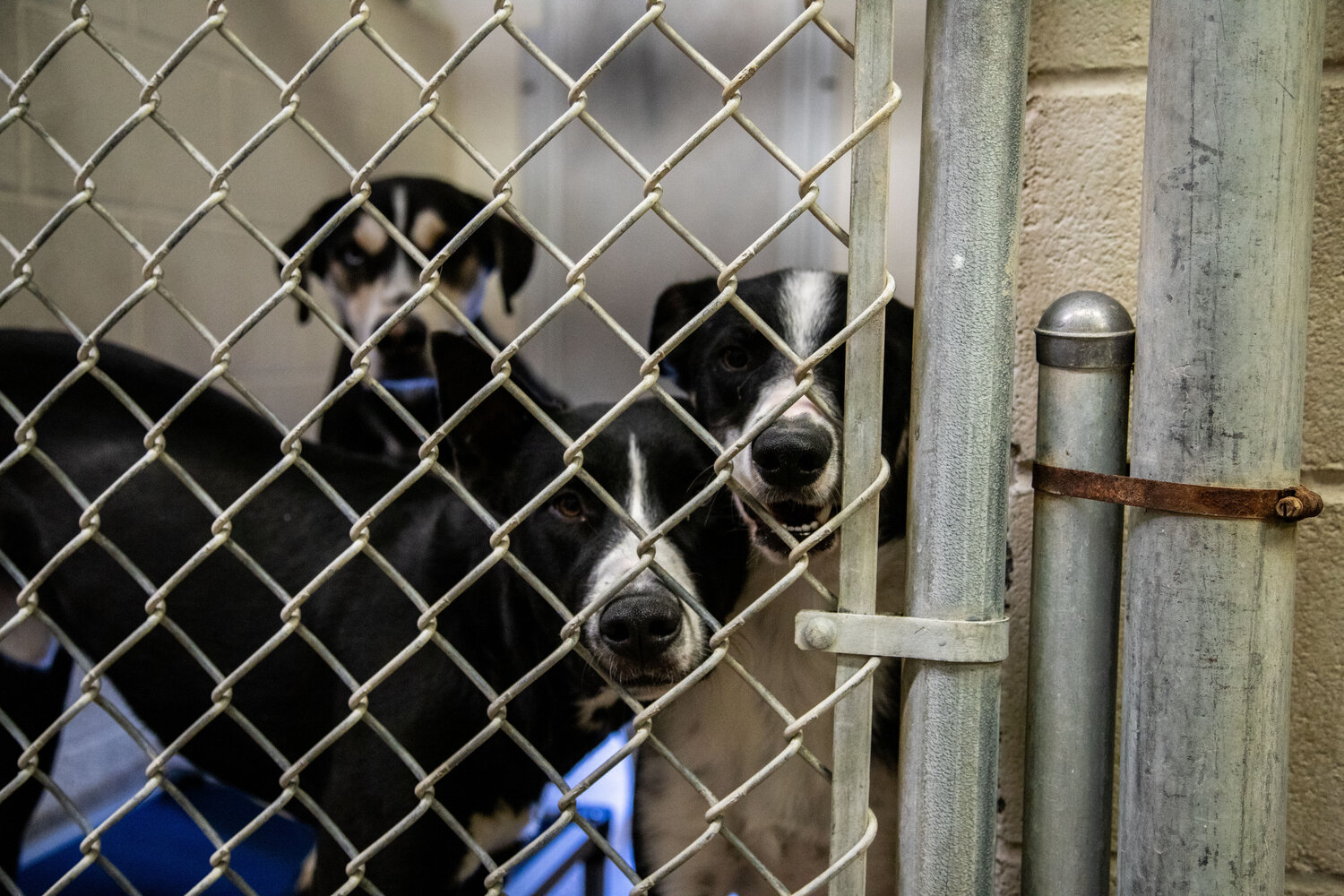
Lexington County animal shelters continue to face overcapacity issues, contributing to high euthanasia rates. According to Lexington County Animal Services Director Brittany Jones, the problem extends beyond the county and reflects a nationwide issue tied largely to irresponsible pet ownership.
“This has been an ongoing challenge, not a new issue,” Jones said.
Lexington County Animal Services takes in stray animals, owner surrenders and animals rescued from neglect, abuse and abandonment cases. Jones said overcrowding affects more than shelter space; it also increases euthanasia rates.
“When the number of animals entering the shelter exceeds the available space, resources and placement opportunities, difficult decisions sometimes have to be made,” she said.
Lexington County euthanasia numbers have decreased in recent years. County records show euthanasia cases dropped from 1,650 animals, or 39.7% of annual intake, in 2024 to 1,265 animals, or 29.2% of annual intake, in 2025.
Jones said cats account for many euthanasia cases because shelters often receive cats that are ill, injured or considered public nuisances. Healthy cats are frequently transferred to what she called a pathway partner, Pawmetto Lifeline. This helps provide the best scenario of foster care or adoption.
The county evaluates intakes and relies on community partnerships to improve outcomes for animals.
“Our focus remains on addressing the root causes of overpopulation by holding irresponsible owners accountable while also supporting those who are seeking help,” Jones said. “At the same time, we are continuing to strengthen our pathway planning process so that each animal has the best possible chance at a positive outcome.”
The Trap, Neuter, Release program and programs like it encourage pet owner education, spaying and neutering.
The agency encourages residents struggling with pet care costs to seek assistance. While funding limitations can restrict aid, Jones said the county helps connect residents with available resources.
“Lexington County Animal Services does not have a role in the creation or pricing of voucher programs,” Jones said. “Our role is strictly to facilitate access by providing vouchers to residents, which can then be used at participating organizations within the county.”
Local organizations offer lower-cost services than many private veterinary clinics. Pawmetto Lifeline in Columbia offers cat services ranging from about $150 to $180 and dog services from about $210 to $600. PETSinc in West Columbia charges about $180 to $235 for cats and $230 to $475 for dogs. The Humane Society of South Carolina in Columbia offers lower-cost options starting at $50 for cats and $100 for dogs.
A recent PetSmart Charities-Gallup study found 52% of pet owners skipped or declined veterinary care because of financial concerns. In response, Pawmetto Lifeline recently received a $150,000 grant from PetSmart Charities to expand affordable veterinary care.
“This grant will help us take a significant step forward in expanding access to veterinary care, allowing us to serve more pets, support more families and strengthen the human-animal bond across our community,” said Denise Wilkinson, CEO of Pawmetto Lifeline.
Jones said reducing overpopulation requires community involvement through responsible pet ownership, including spaying and neutering pets, following local ordinances and preventing animals from roaming or breeding unintentionally.
“We also encourage residents to take advantage of the resources available to them, including voucher programs and partnerships within the community that help make services more accessible,” Jones said. “For those who are able, adopting, fostering or helping reunite stray animals with their owners can make a meaningful difference.”
Lexington County Animal Services can be reached at 803-785-8149 or animalservices@lexingtoncounty.sc.gov. Pawmetto Lifeline can be reached at 803-465-9150. PETSinc can be reached at 803-739-9333 or info@petsinc.org. The Humane Society of South Carolina can be reached at 803-783-1267 or info@humanesc.org.


Comments
No comments on this item Please log in to comment by clicking here