
Mental Health Matters: Seasonal Affective Disorder and South Carolina summers
Hot humid air from the Gulf of Mexico drifts at least as far north as the border between Iowa and Minnesota of the upper plains during the summers. The state of my birth and early life, summers usually involved brutal episodes of heat and humidity. And to put it to rest, no pun intended, it is true: in the heat of the summer, you really can hear the corn grow at night in Iowa. It makes a popping sound. South Carolina has of course beaten those hot summers simply because the summer season is much longer here. Additionally, I have never experienced sand gnats anywhere else like I have in South Carolina.
Typically, when most people think of seasonal affective disorder, they think of the sinking mood affliction that many people experience during the cold, gloomy months of winter. Unlike South Carolina, winter is the longest season in Iowa. I have seen snow fall as early as the end of September and as late as the last day of May.
Sly and The Family Stone’s "Hot Fun in the Summertime" provides a lovely auditory picture of summer. Free from school and responsibilities. Ahh to be so lucky! However, I recently learned that seasonal affective disorder (SAD) can in fact affect people during the hot months of summer. Approximately 10% of people who experience SAD suffer during the summer. Heat-induced SAD can trigger agitation, insomnia and anxiety. High humidity and temperatures can drain one’s energy, disrupt our circadian rhythms and make it hard to deal with the stressors of everyday life.
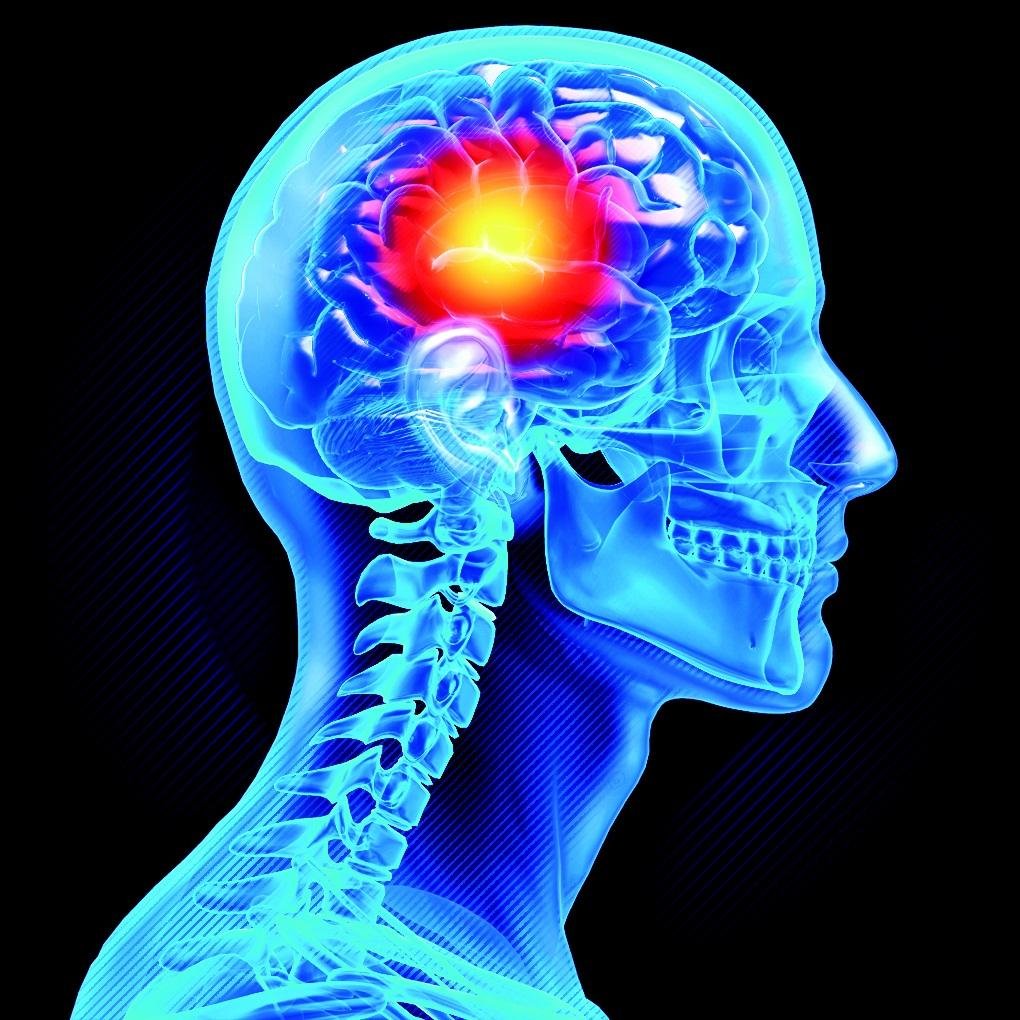
So, what triggers heat-related depression? Physical stress from the heat can translate to emotional stress. It just takes more energy to get around. Some of this is simply a matter of hormones and neurotransmitters. High temperatures tend to elevate our cortisol levels, disrupt our thermoregulation and alter our neurotransmitters such as serotonin. What does serotonin do? It is a vital chemical messenger that helps regulate mood, sleep and appetite. Blood clotting, digestion and sexual desire are also regulated by this little powerhouse.
Cortisol is our primary stress hormone. When cortisol is balanced, it drops to its 24-hour low around midnight, and it peaks in the morning to give us energy to wake up. High levels of cortisol can produce sleep onset insomnia. It can make our brains feel “wired” and hyper aroused, which will prevent us from falling asleep. Similarly, a spike in cortisol levels can cause disrupted and fragmented sleep and racing thoughts. This often occurs around 3 a.m. High levels of cortisol also interrupt and suppress melatonin, which we will get to next. But for now, just know that melatonin is our sleep hormone, which when suppressed, makes it physically more difficult to fall asleep.
I may be the only child in the history of human beings, or at the very least the history of Disney movies, who went and hid around the corner while watching Babes in Toyland or Bambi. Suffice it to say, scary movies or TV shows simply do not interest me. The smallest indication of tension or potential threat sent me into a tailspin, and it is not all that different today. Even as an adult, I simply am not interested in shows such as “Breaking Bad” or “Blacklist,” where it seems that every possible grisly means of death or murder are on full display. Nothing left to the imagination. When my children would watch it, I simply have to go to another room. These types of stimulants absolutely raise my cortisol levels way beyond what I can tolerate. Yes, you read that right. My children are watching the scary shows while I cannot.
Hot nights and longer, hotter summer days suppress melatonin production, leading to insomnia, which directly disrupts and damages mood regulation. Once nighttime temps stay above 70 degrees, sleep quality takes a nosedive. So while we sleep more peacefully in cooler weather, hot summer temps can make sleep more elusive. Light exposure also plays a part in this problem. For some people, prolonged overexposure to light can disrupt our circadian rhythms and our hormonal balances.
Certain medications also come into play here. Benadryl can have the reverse impact on some of us, where rather than sedating us, it provokes our brain’s excitatory regions. Certain antidepressants can impair our body’s ability to regulate body temperature. In turn, this can lead to a higher risk of heat exhaustion and physical discomfort. While sleep is harder to come by, we really have a higher need for it at the same time.
There are also social and financial stressors that often spike in the summer months. There are expectations that we be more active. Vacations can create additional financial stress. Vacations can also disrupt daily routines, which are also critical to regulating sleep. Additionally, there is an expectation that we are supposed to be having a great time. Idyllic pictures of people happily splashing in the water and sweating in their lawn chairs creates a pressure to look like you are having fun as well.
Body image also becomes a contributing factor for some of us. It is hot. We tend to wear less clothing. For those of us who already have anxiety about our bodies, there is now less clothing to cover us up. We feel on display for everyone to see. Some people would prefer to still burrow under layers of clothing to avoid dealing with body shaming.
The reality for some of us is that it really does feel physically uncomfortable to have sweat running down every crevice of our bodies, or have our glasses slide off our faces, or to be slipping around in the seats of our cars as if we are on a water slide. And then there is the risk of burning the flesh off our legs when we get into the extra-high degree temps inside the car itself.
So, what do you do if you are afflicted by seasonal affective disorder during the nine months of summer in South Carolina? How can you cope? I will focus mostly on sleep here, as sleep is foundational to mental health and mood functions. It is also when our brains “reset” and repair, both critical to dealing with depression. The Cleveland Clinic has some suggestions and advice.
We want to focus on things we can control. Certain elements of our environment are certainly within our control. Find ways to keep your sleeping area dark, cool and comfortable. Sleeping out in the recliner chair, where the sun shining in the window smacks you in the face at 5:45 a.m. will surely disrupt our ability to rest. Blackout shades can help to create a dark, restful environment in our sleeping areas. The recommended temperature for our sleep environment is between 60 and 67 degrees. This temperature helps to mirror our body’s natural drop in core temperature during sleep, which is needed to initiate sleep, especially the deeper more restorative stages.
Maintaining a regular routine is also very important. Longer daylight hours can make it difficult to do this. I find it tempting to stay up late, when the sun has gone down and I can tolerate watering my flowers or just sitting outside listening to the sounds of night. The more we can keep a consistent bedtime and wake-up routine, the better we will feel. It may be difficult to establish a steady eight hours of sleep a day during the summer. Even if you can aim for six hours to begin with, you may be able to slowly stretch that out a bit. Just make sure to keep as close as you can to the same hours each night.
A factor we can control is our exposure to screen time. Shut down social media three to four hours before bedtime. The content is often stimulating, keeping our brains running at a pace that does not lead to sleep. Additionally, blue light screens tend to activate areas of our brains that can be hard to turn off. Skip outdoor activities if the heat and social pressures feel too overwhelming. We tend to remain more calm and less stressed when we can control our environments. Calm and reduced stress tends to be optimum conditions for sleep.
While these next recommendations do involve some technology, it is largely auditory rather than visual in nature. Sound machines can simulate the sounds of rain, or incoming waves which can be helpful for some people. There are specific apps that are highly rated and are designed to regulate our circadian rhythms. I am not suggesting one over the others, but here is what I have found. You will want to try them out and find which ones work best for you. This is not meant to be an exhaustive list.
“Calm” offers structured “sleep stories” and breathing routines that are all designed to slow our pulse rates and ease our anxieties or irritabilities, factors that can interfere with sleep. “Headspace” is another app available for the sleep deprived. This app offers what are called “sleepcasts” with ambient wind-down music. This can help shift focus from busy racing thoughts.
Speaking of control, there are also apps where you can design your own listening experience. “BetterSleep” allows you to mix your own custom soundscapes. Perhaps you want to combine options such as white noise, heavy rain or cooling sounds of wind to help push back the disruptive sounds of outside summer noises. A fourth option is called “Rain Rain Sleep Sounds.” This app has a huge library of high-quality continuous rain and nature sounds. These sounds can create a type of psychological cooling effect in your cool sleeping quarters. Again, these suggestions are not for everyone. If you are fearful of summer storms full of thunderclaps and lightning bolts, I suggest staying clear of these options.
I can slowly feel my insides naturally settle down as the fall season descends, daylight hours shorten and the temperatures slowly but surely become more humane. It is a relief for me, and perhaps many of you as well. I look forward to wearing layers underneath sweaters. I prefer my Halloween hot chocolate to be the hottest thing I need to think about. Although, even that time of the year can be variable in South Carolina. But at least I know that eventually temps will creep back down low enough toward the equator that it will soon be far more comfortable. And I celebrate that change with Earth, Wind & Fire’s “September.”
Have questions you’d like to ask Shirley? Message her at oasistherapyservices@gmail.com.


Comments
No comments on this item Please log in to comment by clicking here