
Mental Health Matters: The science behind gratitude
I used to hear the phrase, “Just practice your gratitude,” and I would think to myself, “How can that make any difference? How can that possibly take away the worries, fears and troubles I felt biting at my emotional heels daily?” After all, I would joke with others that I had my very first degree in worry. You know, my diploma lists my undergraduate degree as a B.A. in Worry and Fretting from the University of Perpetual Woes, Emotional Turmoil and Self-Doubt.
Well, somewhere along the way, I realized that when I woke up in the morning, I indeed did have the power to decide what kind of day I was going to have. I realized that when I woke and focused my thoughts on the problems I just couldn’t figure out the day before, it was going to have a powerful impact on my day. I was likely going to have a day filled with restless thoughts, feelings of dread in my gut and a feeling of being jacked up on too much caffeine from Diet Cokes, even though I hadn’t had a Diet Coke in a long time.
On the other hand, if I caught my thoughts soon enough after opening my eyes and focused on things I was thankful for, I was able to have an entirely different day. I became curious about this phenomenon. This was about the power of my mind, but it was more complex. And I am drawn to complexity.
I went straight to the big guns when it comes to brain science: The National Institutes of Health. “Gratitude is a light expression not necessarily conditioned to good times, making it possible to maintain the feeling and feel good, even during negative experiences or most difficult moments.” Yes, indeed. That matched my experiences, as well. But I wanted to know how the heck it worked. I dug deeper.
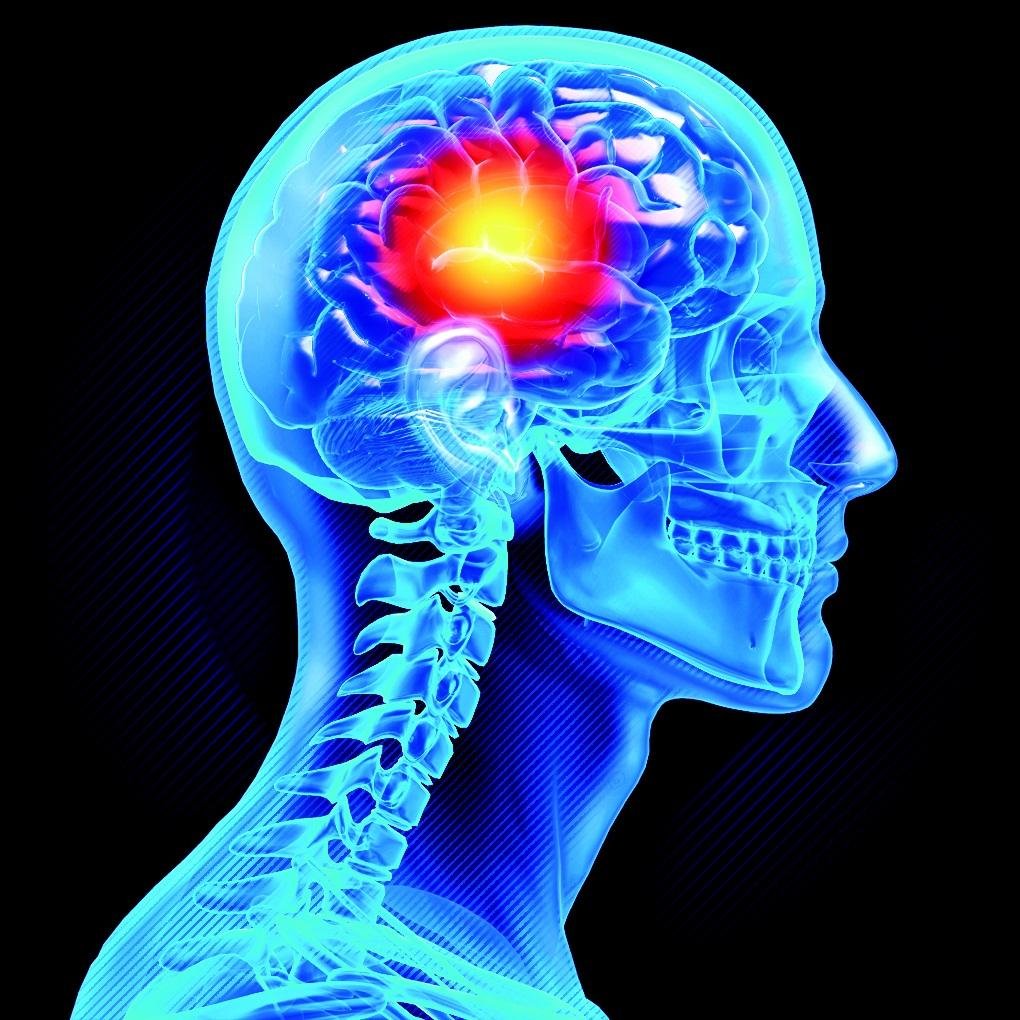
While I am not a neuroscientist, I do have an insatiable intellectual hunger to learn, and this became an intellectual playground for me. I learned that when we practice gratitude, it activates areas of our brains that are associated with rewards, creating feelings of contentment and emotional well-being. It also appears that when we practice gratitude on a regular basis, it creates long-term change in the brain that supports mental health and our capacity for resilience. In fact, by something as simple as keeping a gratitude journal, we can increase our empathy levels and strengthen our emotional bonds with others.
Just how powerful can practicing gratitude be? I am glad you asked. Regular gratitude is linked to lower levels of depression and higher self-esteem. Mind blown. Lower levels of depression. Higher self-esteem. Just by recognizing the good things in our lives. And it goes beyond mental health. It seems that regular gratitude can lead to changes in sleep. It can lower blood pressure and heart rate. They can link gratitude to increases in positive cardiovascular markers.
It also makes sense that regular thankfulness leads to changes in our interpersonal relationships. It can strengthen our social connections, cause us to be more generous and lead us to become more likely to volunteer. It changes our participation in the social well-being of our communities! Change from the inside of our brains with ripples throughout our communities. That is powerful.
It also appears that gratitude enhances our happiness, as well as our life satisfaction. We become more optimistic when we make gratitude a practice. Gratitude changes our brain chemistry and function. It activates our front brain, or our prefrontal cortex. The prefrontal cortex is responsible for decision making, empathy and emotional regulation. So, in short, it helps us keep our emotional cool, make better choices and connect with others on an emotional level. Equally as fascinating, practicing gratitude leads to a 9% lower risk of dying within three years.
It seems that we also become better team players and are willing to be more helpful to others because of this practice. Managers who express gratitude may see greater productivity and group cohesiveness amongst those they manage.
And how do these things happen precisely? Gratitude seems to stimulate our brain’s production of two different neurotransmitters: dopamine and serotonin. These transmitters, or chemical messengers, are also known as the “feel-good” chemicals. The chain works like this: we express gratitude (“I am thankful for the cool fall weather we are having”). Our brain releases a combination of these two chemicals, and we feel happiness and contentment. A far cheaper and more easily accessible intervention than drugs or alcohol!
Another mechanism by which gratitude changes our brains has to do with our stress response. Under stress, our bodies produce higher levels of cortisol. Cortisol is our body’s natural form of steroids. Cortisol is critically important when we must respond quickly to danger. There are times when our lives depend on cortisol to survive. In our prehistoric days, cortisol likely saved us from bear attacks by enabling us to run like heck back to our caves. In today’s terms, cortisol production comes in handy when we must run out into the parking lot to scoop up our little escapee toddler before danger hits.
The problem with cortisol is this: If our body continues to produce high levels of cortisol because we are either in chronically stressful situations, or our brains think we are in chronically high levels of stress, it becomes increasingly difficult to bring those cortisol levels back down to levels appropriate for calm and peace. Gratitude then becomes important because the practice leads our brains to reduce the production of cortisol. Our nervous systems calm down, our feelings of anxiety are reduced, and our feelings of well-being are increased.
So, there it is: the impact of gratitude on our brain’s chemical processes. It doesn’t stop there, though. Practices of gratitude encourage our brains to think differently. It helps restructure the processes of our thinking. It can help us shift our thinking from negative to positive. Over the long run, gratitude can change how we see, perceive and interpret the world around us. Gratitude can train our brains to see the positive rather than the negative.
Negative thinking requires different neuronal pathways than positive thinking. When we practice gratitude on a regular basis, the pathways required for negative thinking become weaker, and the pathways necessary for positive thinking become stronger. Because our thinking shapes how we feel, we are better able to access feelings of happiness and contentment as these positive neuronal pathways are strengthened.
So far, the benefits of gratitude include better stress management, increased resilience, improved mood, an increase in positive thinking and higher self-esteem. It supports our heart health, improves sleep quality, increases our mental clarity and focus, reduces physical pain and boosts our immune systems. It improves our social connections and reduces aggression. It enhances our communication with others and creates deeper, more meaningful relationships. It also appears to reduce our habit of social comparisons, a habit that wreaks havoc on our feelings of well-being. All of this from something we do not have to search for on Amazon.
Gratitude comprises a couple of factors. Appreciation is actively recognizing and valuing the positives in our lives. It involves actively acknowledging the good things and feeling thankful for them. It also involves admiring the strengths of ourselves and others. Finally, it includes affection, or the showing of love and fondness for those in our lives.
What are some gratitude practices that we can build into our daily lives? Prevention Magazine offers some tips to get us started (July 17, 2023). There are some simple ways to begin. If you ever kept a diary as a kid, the first one will be familiar. Keeping a gratitude journal is a great place to begin. Each morning, or in the evening before lights are out, list just a couple of things for which you feel gratitude. It might be as simple as the gift of a hot shower before you crawl into bed. Perhaps you are grateful for the walk you were able to take on your lunch hour. You may be grateful for the soft feel of your baby’s cheek against yours. Just write them down, speak your thanks for them and turn out the lights.
An even simpler practice is to simply speak your gratitude out loud. Sometimes I do this as I am driving into work in the morning. “I am so thankful for the fun I have driving my Jeep!” “I am thankful it is Friday, and the weekend is almost here!” “Thanks for the changing colors of the leaves that I can trace from one day to the next.” I might take time during my workout to repeat my thanks while I am doing my upper or lower body workouts.
It may feel kind of uncomfortable at first, but sharing our gratitude with others can have a double impact. You are voicing your gratitude, and someone else is getting to witness it, which may also inspire them to think about their own gratitude. Gratitude can become catchy – another thing to be thankful for!
When you do find yourself getting sucked into the drain of negativity, challenge yourself to reframe your thoughts. You find yourself thinking, “It is a wet and cold day, and I don’t feel like going out in the weather to get to work.” Step back and reevaluate. I might change that thought to, “I am so grateful for how good it feels to walk into the warmth and coziness of my home after I have been out in weather like this!” Or, “I love to wear sweaters on days like this, and I am going to pick out the right one to wear today.”
It can also be helpful to find a gratitude buddy. Making changes in our thinking and brain functioning takes determination and repetition. We know that having a workout buddy can improve our commitment to keeping our workout commitments. Having a gratitude buddy can function much the same. Having a partner to encourage and to encourage you in the practice of gratitude improves your chances of sticking to your commitment toward change!
I keep my graduation certificate from the University of Perpetual Woes, Turmoil and Self-Doubt as a reminder of what I have learned and how far I have come in my thought life. It is hanging right next to my more recent diploma for my master’s degree from the Institute for a Better Life Through Gratitude and Thankfulness.
Have questions you’d like to ask Shirley? Message her at oasistherapyservices@gmail.com.


Comments
No comments on this item Please log in to comment by clicking here