
Mental Health Matters: The science of overwhelm
That day, I had texted my son offering to help prepare for a family event. You know, the standard “Is there anything I can do to help you today?” Quickly, the answer came back. Could I go to Walmart to pick up pictures that they had sent in to be printed. Not a problem! It was a lovely South Carolina day in late spring. The temps were very comfortable. The sky was blue. And the best part of all: I got to get in my Jeep Wrangler and drive! I love driving as an experience, and my Jeep offers one of the most enjoyable driving experiences I have ever had.
I don’t know about you, but sometimes things will happen where I must stop and think, “Where in the world was my brain and what was it doing when I did XYZ??” This ended up being one of those days. I got to Walmart, picked up the photos at the photo station and realized I was hungry. Lucky for me, there was a Subway at the entrance to the store. I got myself my favorite sandwich and a drink then got back in my Jeep and headed for my son’s house to deliver the photos.
I pulled into the driveway, ate a few bites of my sandwich and was about to exit the vehicle, when I looked over at the passenger seat, and ... where were the photos? I scrambled to look beside and under the seat thinking surely, they had slid off the seat when I was Jeeping on two wheels around a corner (just kidding). No. Where. To. Be. Found.
While this does not happen to me every day, when it does, I first go through some self-berating over my careless mistake. After I have pummeled my psyche sufficiently, I am able to settle down and come up with a plan B.
This did get me thinking about what happens to the brain when we experience things like this. We’ve all either had or heard stories about someone leaving some important documents on the airplane when they disembarked from a flight. Or my sister, who while on a trip through southern California, realized that she did not have her phone, and their last exit from the vehicle was several hours before. Or simply, where did I leave my keys?
I think of these mental states as being one of overwhelm. Before I looked up the definition, I would have stumbled around with my words to describe what overwhelm feels and looks like. Largely because when I am overwhelmed, I have a hard time observing it to be able to describe it. One site I looked at in writing this article puts it as such: Your brain is full, your emotions are fried and even the smallest of tasks feel impossible to tackle. Another site tells me it is a physiological and psychological reaction to having too much mental input too fast for too long.
I kid you not, there really is a field of investigation known as the neuroscience of overwhelm. And being the endlessly curious person I am, I went down that rabbit hole to write this. It turns out that when we are overwhelmed, our brains go through a specific neurological and chemical chain reaction. I will try to keep this as simple as I can so that those unfamiliar with brain structures and functions can follow along.
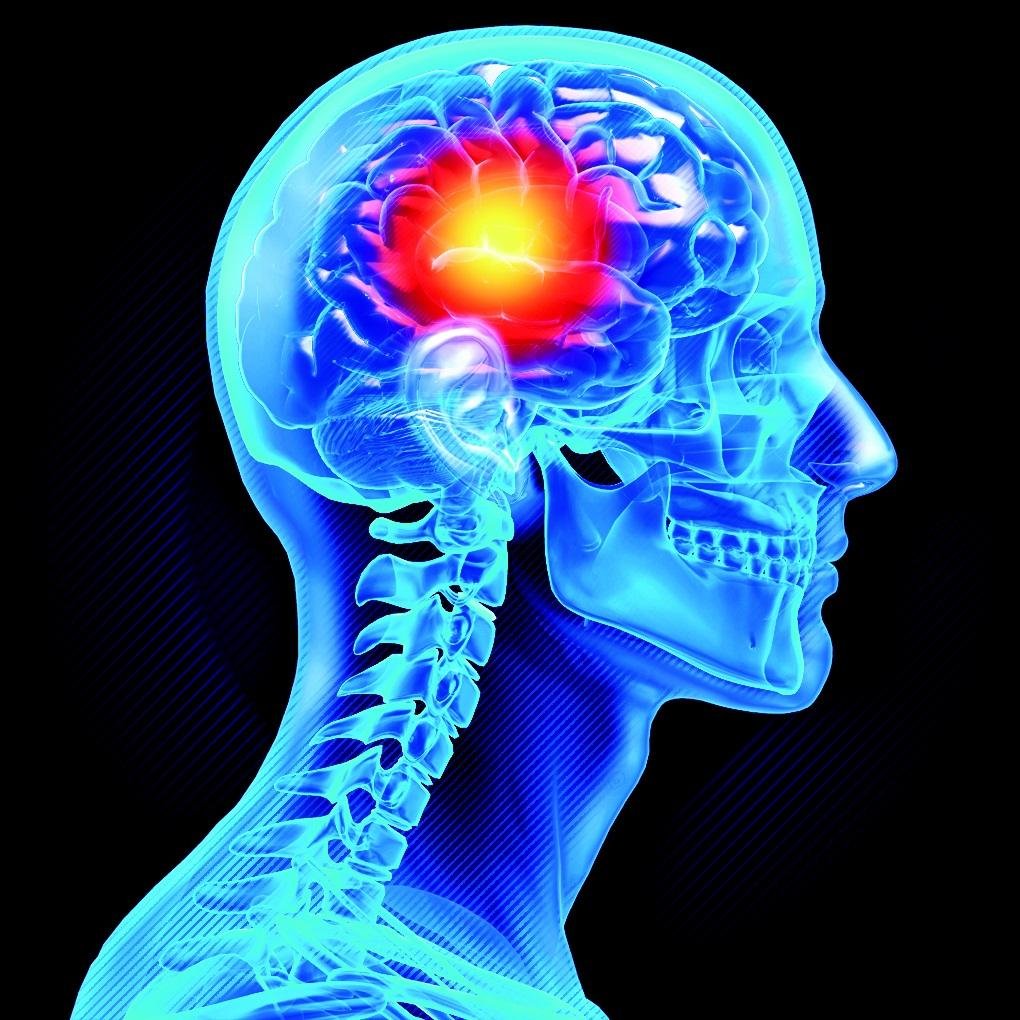
There’s a part of our brain called the prefrontal cortex which sits near the front of our brains behind our foreheads. Normally, the prefrontal cortex acts like an officer directing traffic. The prefrontal cortex stays calm, thinks rationally and comes up with solutions to problems. But it does all of that through calm. It directs our thoughts into remaining reasoned and rational. We can think clearly while in tense and confusing situations because of the officer directing traffic up there.
All of this goes well until we get too much mental input too fast for too long. When this happens, another part of our brain kicks into action. That part of our brain is called the amygdala, and it carries our fear and emotional functions. We might think of this as a red flashing emergency box on the wall that alerts us to danger or an ongoing threat. It is where we are activated to either, fight, flee or freeze when we are confronted by perceived danger.
When this emergency box is activated, it floods our systems with the chemicals cortisol and adrenaline. These are chemicals that act as high-octane fuel for our brains and our bodies. They say that back in our cave person days, this part of our brain became activated when we sensed danger at the cave entrance, such as a hungry bear or coyote. We had to move now, and we had to move fast! These responses saved us. Even now when that happens, it shuts down that traffic director leaving our thoughts and feelings scattered and disordered. We tend to make rash decisions when the prefrontal cortex is shut down. (Which likely would have been the case if I really had taken a corner on two wheels that day.)
While we are no longer cave dwellers, when we are overwhelmed, the amygdala still becomes activated, hijacking the prefrontal cortex, kicking the traffic officer offline. When this happens, we have experienced the cost of an activated amygdala. Order and reason vanish. One result of this chain of events is that it exhausts us and makes it difficult if not impossible to accurately process information.
What kinds of things kick off this sequence of events? What leads us to feeling overwhelmed? It can be tripped off by a single event, or by a slow accumulation of daily stressors. Perhaps you were just in a car accident leaving you startled, dazed and confused and you cannot recall where your car insurance information is, or why your license isn’t in your wallet. Or it might be that you have been promoted at your job, and you are slowly but gradually becoming aware of all the responsibilities that the new job comes with but were not told about when you interviewed. You may feel like you are drowning. Additionally, it doesn’t have to be a bad event or a crisis for this to happen. Really exciting and happy times can also kick the amygdala into high gear as well.
As a result of this being an area of scientific research, we also have evidence-based strategies to help us work our way out of the overwhelm. Put another way, these strategies help to shut down the flashing red light and put the traffic director back online. Some of these are going to sound familiar, as I have written about them in previous articles.
Mindful movement can be very helpful. Mindful in the sense that as we move, we have our thoughts on the action of moving. Concentrating on the exact muscles we are using, gently moving them through their stretching and contracting. Exercises such as yoga or walking helps to reduce cortisol levels and boost dopamine levels. Rushing through a workout does not count.
Along the same lines, deep breathing exercises help to lower our heart rates and clam our physiology down. Mindfulness is important here as well. Work to keep your focus on the rhythm of your breathing. Take in long breaths, and let them go just as slowly as you take them in.
Guided meditations or sound therapy can be very helpful in reengaging the traffic officer. Focusing on the directions of the meditation, envisioning yourself being in and doing the work the meditation asks you to do, will naturally settle your overwhelm.
A fourth approach is what we call cognitive reframing. This takes looking at things from a different perspective. Once you can recognize your own all-or-nothing thinking, it is also possible to shift to more balanced thinking. Instead of pummeling my psyche for having left the pictures somewhere, I was able to adjust to a gentler and kinder approach. I can say to myself that these things happen to everyone at one point or another, and it is not surprising it happened at this time because I had a lot on my mind.
Finally, depending on the situation, it is helpful to break larger tasks into smaller more manageable pieces. The more complex the task, and the more excited the brain becomes, the more likely something will slip our minds. When I hang my keys on the hook by the door, I say it out loud. “I am hanging my keys by the door.” One thing at a time, rather than hanging them there while I am trying to solve two other issues.
My reframe that day was that I was fortunate to be able to drive my Jeep to Walmart and back a second time. More jeep miles, more happiness! Also, I was able to experience someone’s kindness and thoughtfulness. I went back to the photo area in the store. The young man working that area listened as I explained what happened, and with calm, told me he thought he still had those pictures in the queue on the computer. He went and looked, and sure enough they were still there.
While we waited for the photos to print, he looked at my son’s name on the order. He told me he knew someone by that name from when he was in second grade. In fact, that little boy’s mom would come in every week to volunteer in the classroom. As I put things together in my head, that little boy was my son, and I was that mom who volunteered in the classroom!
He handed me the pack of pictures. I asked what I owed him. He smiled at me and said, “Have a good day, ma’am.” I felt my amygdala calm down, and the traffic director getting back in place. It really did end up being a lovely South Carolina day in late spring.
Have questions you’d like to ask Shirley? Message her at oasistherapyservices@gmail.com.


Comments
No comments on this item Please log in to comment by clicking here