
Prepare for the cold with winter tips from local, state agencies
We're in for a cold winter. And for South Carolina, that's a rarity.
Ordinarily, temperatures are warmer in the Palmetto State, allowing residents to enjoy all the winter festivities in light …
This item is available in full to subscribers.
Subscribe to continue reading. Already a subscriber? Sign in
Local news from Lexington's only local news source. Subscribe today.
Please log in to continue |
Prepare for the cold with winter tips from local, state agencies
We're in for a cold winter. And for South Carolina, that's a rarity.
Ordinarily, temperatures are warmer in the Palmetto State, allowing residents to enjoy all the winter festivities in light jackets, breathable cotton scarves and fashionably sleek patent leather boots. But this winter will be a little different, according to state agencies.
South Carolina Department of Natural Resources' severe weather liaison Frank Strait said in the state agency newsletter the weather pattern will favor "sustained cold for a while," starting the Jan. 4 weekend, with risk for extreme cold leading into mid-January. Which is the worst time to be in a cold weather pattern because it's the coldest time of year, he explained.
With such a prediction, Strait encouraged residents to start picking out their winter fashion staples and weatherproof their homes for the frigid climate.
Below are winter safety tips from a state fire department, American Red Cross and National Weather Service to get you started.
- Dress in loose layers and cover all exposed skin; when dressing for extreme cold, NWS encourages two to three layers of clothing.
- Wear gloves and a hat to help prevent loss of body heat on every outdoor outing.
- Limit or avoid time outdoors.
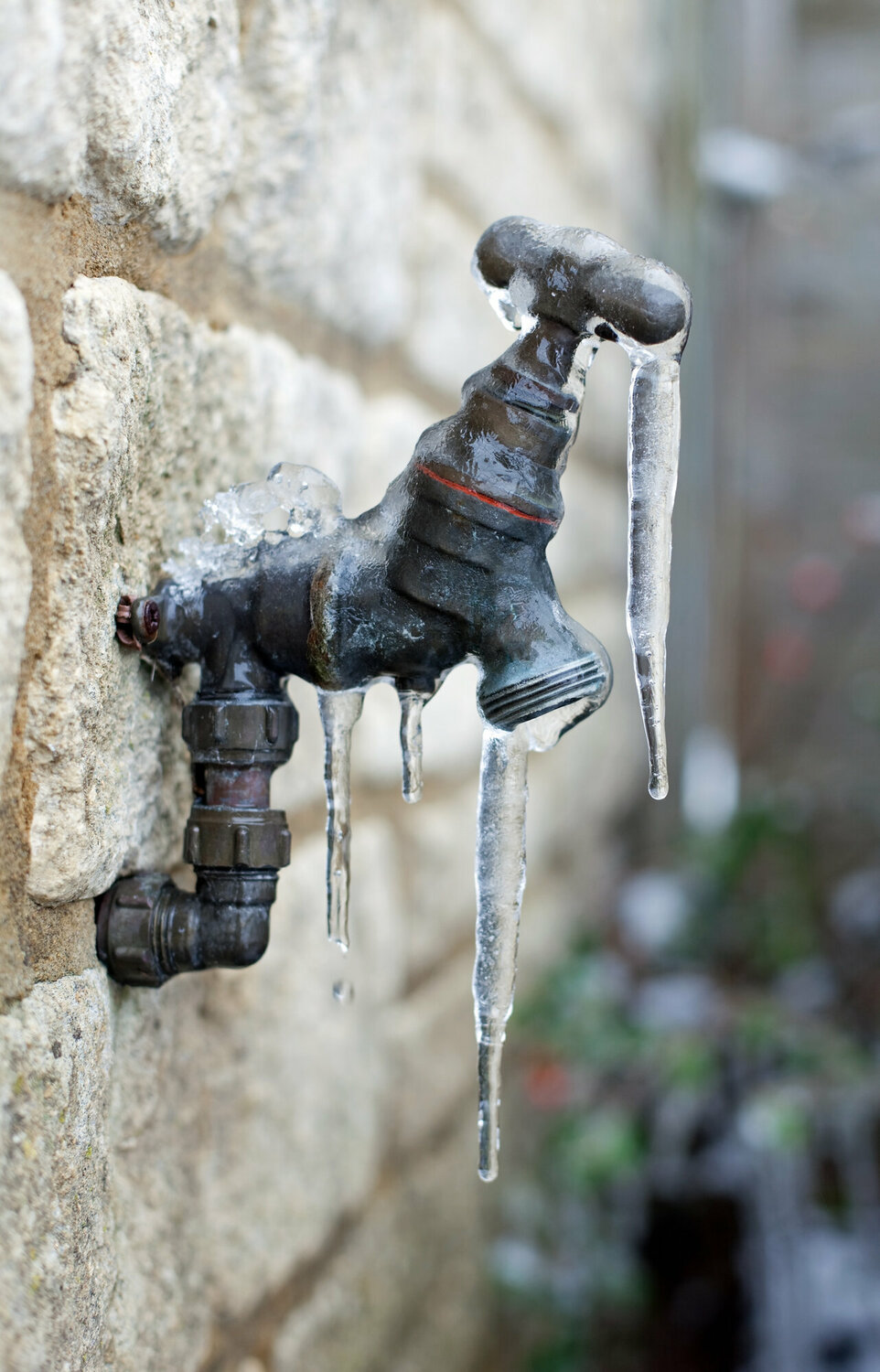
- To avoid frozen pipes, let water drip from faucets (particularly those on outside walls of the home) and keep the thermostat at the same temperature day and night.
- Know the signs of hypothermia - confusion, dizziness, exhaustion and severe shivering - and seek immediate medical attention if these conditions show.
- Bring pets indoors. If not possible, make sure they have enough shelter to keep them warm and that they have unfrozen water.
- To avoid frozen pipes, let water drip from faucets (particularly those on outside walls of the home) and keep thermostat at the same temperature day and night.
- Test smoke detectors to ensure proper use, and replace batteries at least twice a year.
- Inspect heating systems and chimneys.
- Do not use a stove or oven to heat the home.
- Space heaters should sit on a level, hard surface, away from any flammable or combustible items.
- Use a glass or metal fire screen large enough to catch sparks and rolling logs from fireplaces.
- Turn off space heaters, extinguish candles and make sure fireplace embers are out before leaving the room or going to bed.


Comments
No comments on this item Please log in to comment by clicking here